

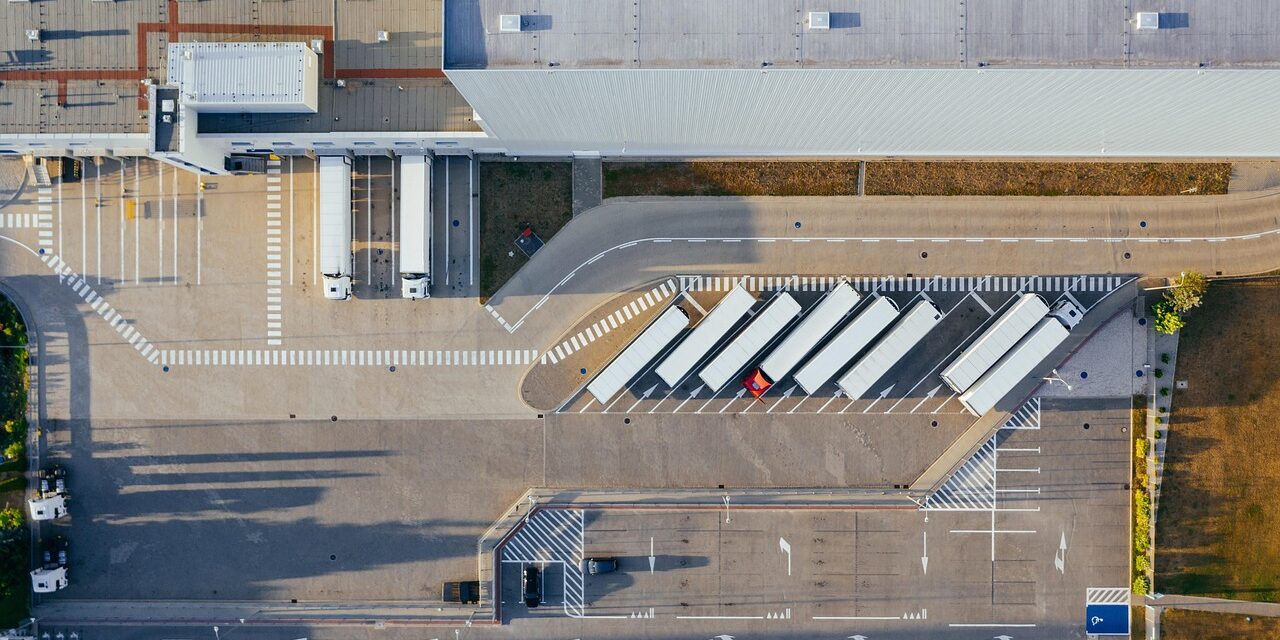
When a business starts looking for industrial space—whether it’s manufacturing, distribution, fabrication, storage, or a hybrid operation—it’s rarely just about square footage. Companies are making strategic decisions that impact workflow, hiring, logistics, long-term growth, and their bottom line. And while every tenant has unique needs, most are ultimately searching for the same core essentials!
Here’s what truly matters when businesses are comparing industrial spaces in today’s market:
1. Functional Layout & Clear Specs
The first thing tenants look for is whether the space actually works for their operations. They’re evaluating:
-
Clear height
-
Number and size of grade-level or dock-high doors
-
Layout efficiency for equipment or racking
-
Office-to-warehouse ratio
-
Power capacity and phase
-
Column spacing, loading areas, and vehicle maneuverability
If the floor plan slows down production or limits the workflow, it’s a quick “no.”
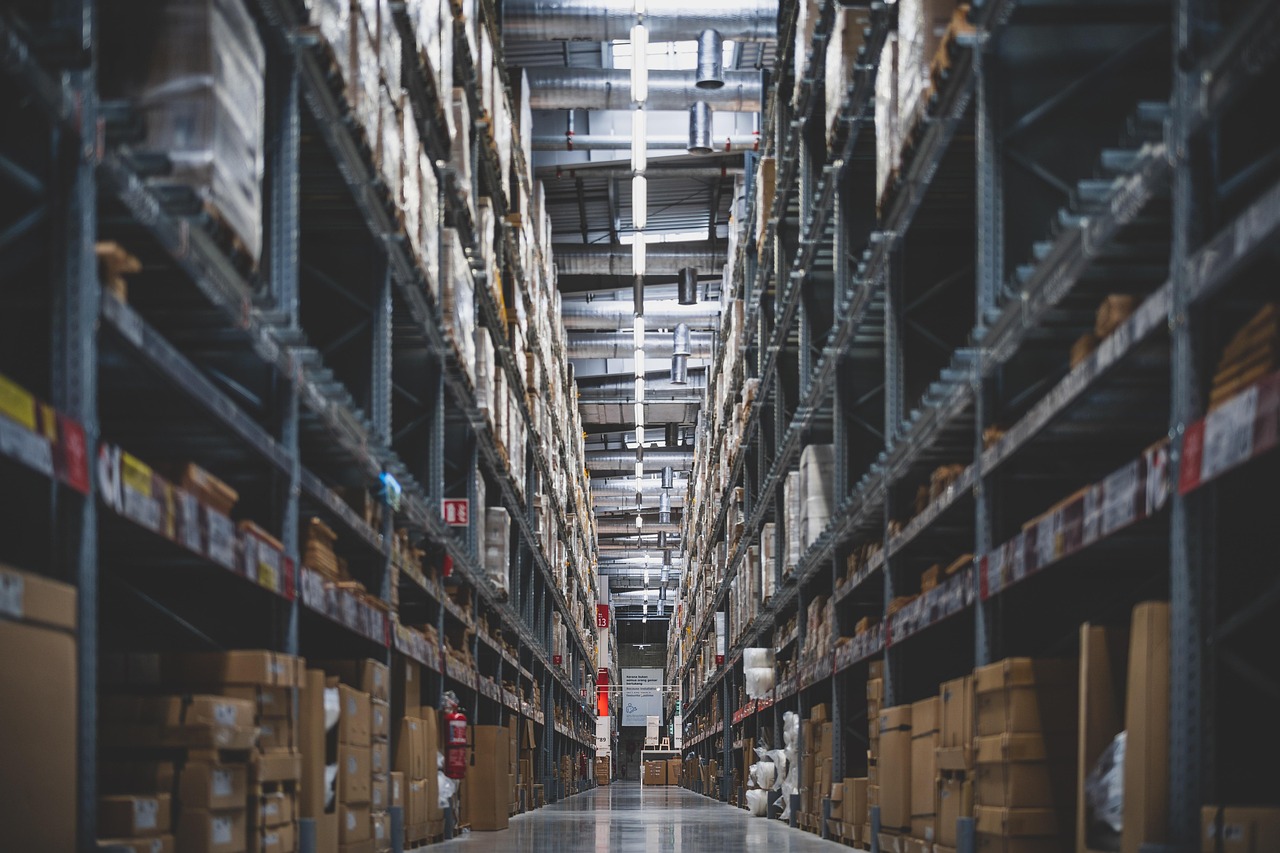
2. Reliable, Efficient Loading & Access
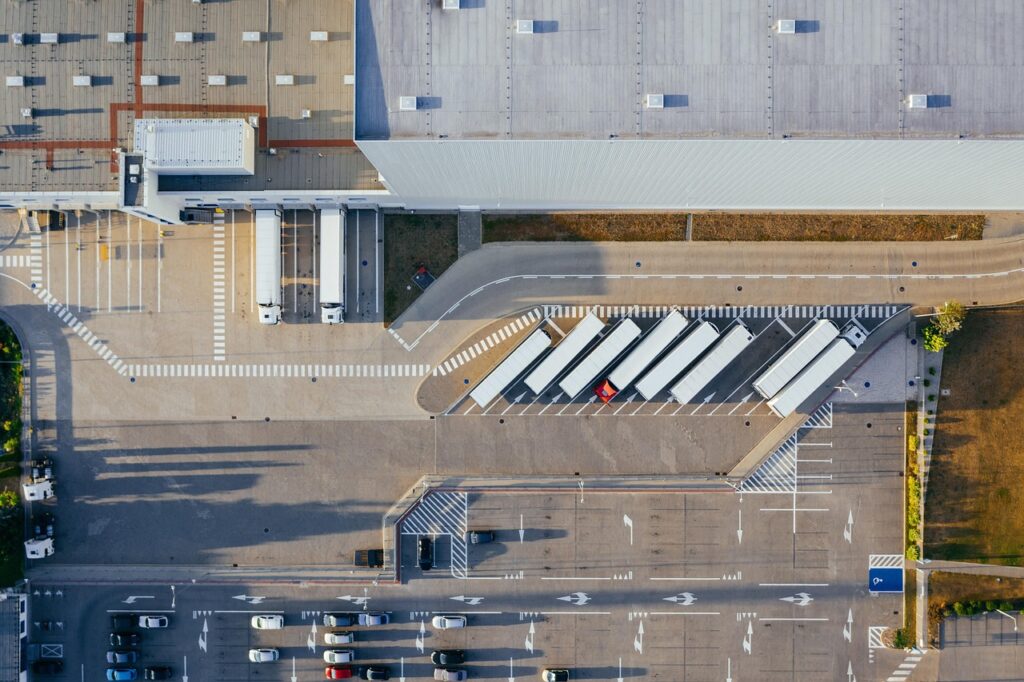
Industrial tenants live and breathe logistics. They need:
-
Easy truck access
-
Ample turning radius
-
Drive-through capabilities (when possible)
-
Yard or outdoor storage for vehicles and materials
A building with great access saves time, reduces costs, and increases safety—making it a top priority.
3. Location That Supports Their Business
Proximity matters. Not just for customers, but also for:
-
Supply chain routes
-
I-5, SR-167, SR-512, I-90 access
-
Employee commute times
-
Local vendors and business partners
In markets like the Pacific Northwest, where traffic patterns can be unpredictable, being centrally located can be a competitive advantage.

4. Power & Infrastructure
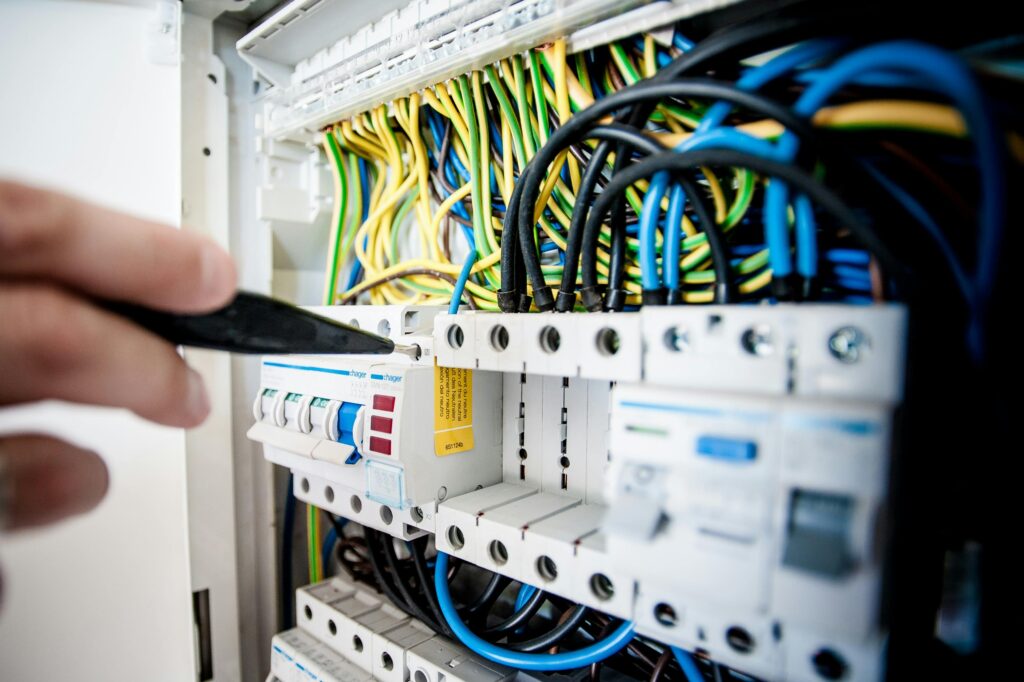
Modern industrial needs keep evolving. Tenants often check for:
-
3-phase power
-
High amperage
-
Updated lighting
-
Reliable internet and connectivity
Whether they’re running heavy machinery or high-tech equipment, infrastructure can make or break a deal.
5. Flexibility for Growth
Businesses don’t want a space they’ll outgrow in a year. They look for:
-
Expansion opportunities
-
Scalability within the park
-
Configurable layouts
-
Storage options or flexible yard use
A space that adapts to future needs is far more attractive than one that boxes them in.
6. A Clean, Professional Environment
Industrial doesn’t mean “rough.” Most tenants prefer:
-
Well-maintained buildings
-
Fresh paint, new LED lighting, clean restrooms
-
A professional environment that reflects their brand
For many companies, their warehouse is also their showroom—so appearance matters!
7. Fair and Transparent Pricing
Tenants want straightforward financials that help them plan. They’re evaluating:
-
Base rent
-
NNN expenses
-
Utility estimates
-
Required build-out costs
Clarity builds trust—and trust speeds up deals.

8. Responsive, Local Ownership or Management
A great landlord experience is one of the most underrated factors in leasing decisions. Businesses appreciate:
-
Quick communication
-
Smooth maintenance response
-
Professional management
-
A hands-on, local approach
A good landlord can keep a tenant long-term. A bad one can send them packing.
The Bottom Line
When businesses search for industrial space, they’re really looking for a place that supports productivity, efficiency, safety, and long-term growth. Brokers who understand these priorities—and present space with the right details clearly and confidently—build stronger relationships and close deals faster.