
If you drive through the Kent Valley today, you’ll see warehouses, manufacturing centers, and distribution hubs buzzing with activity. But it wasn’t always the industrial center we know now. The valley has a pretty fascinating backstory!

Image Source: Kent Valley Economic Development Website
It All Started With the Land
The Kent Valley sits along the Green River, and long before development, the area was a fertile floodplain. Indigenous Coast Salish communities lived and traded here for generations. When settlers arrived in the 1800s, they saw the opportunity immediately: rich soil + mild climate = great farming.
Believe it or not, Kent was once known as “The Hop Capital of the World.” When a plant disease wiped out the crops, farmers shifted to dairy, vegetables, and berries. For decades, the valley was basically the region’s backyard farm.

Image Source: KUOW, Online
Then Came the Big Change
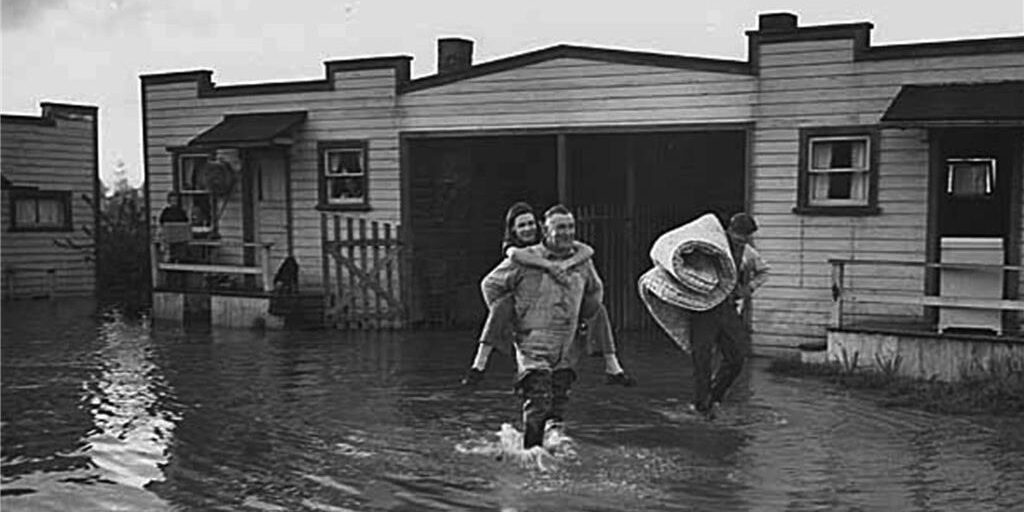
Flooding was a constant issue—until the 1960s, when the Green River was re-channeled and the Howard Hanson Dam was built. Suddenly, the land wasn’t risky anymore. With flat acreage, rail access, and proximity to Seattle, Tacoma, and Boeing, the valley became prime real estate for industry.
Warehouses and manufacturing facilities started replacing farmland—one after another.
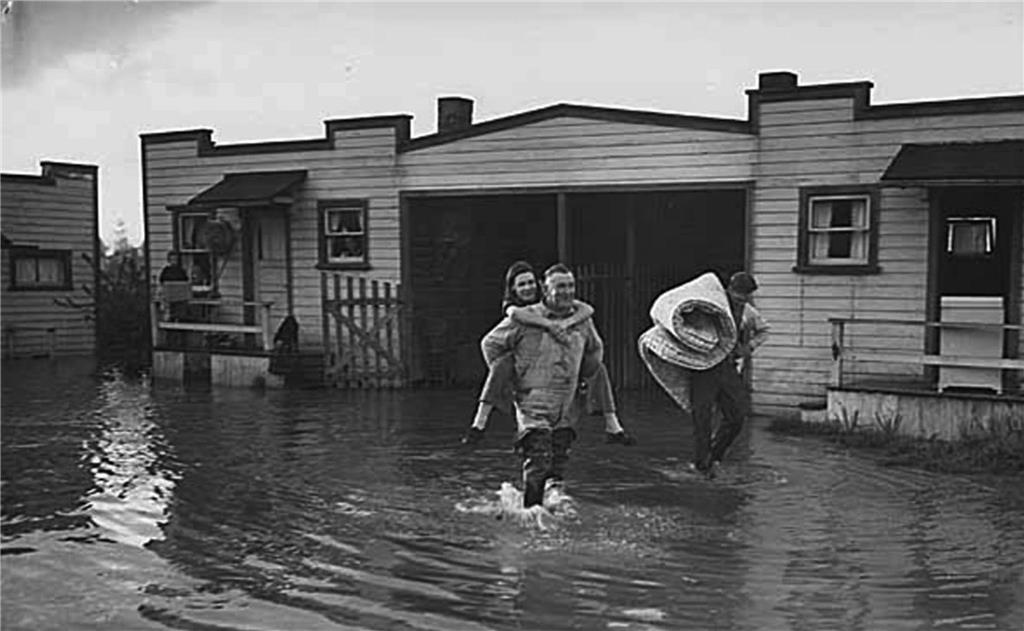
Image Source: Historylink.org
Where We Are Today
Fast forward to now, and the Kent Valley is one of the largest industrial and distribution hubs on the West Coast. It plays a huge role in e-commerce, aerospace, logistics, and advanced manufacturing. Thousands of people across the region rely on it for work.

Image Source: Alpine Fencing, Online
But even as it continues to grow and evolve, the valley’s roots are still there if you look closely: community, hard work, and the ability to adapt!