

Most of us experience Seattle at street level—bustling neighborhoods, waterfront parks, historic brick buildings, and a skyline constantly in motion. But what many don’t know is that beneath parts of downtown lies an entirely different Seattle: an underground network of hallways, storefronts, and streets dating back to the late 19th century!
This “underground city” offers a rare look at how Seattle rebuilt, adapted, and grew following one of the most impactful events in its history.

Image Source: Flickr, Canadagood
The Fire That Changed Seattle’s Future
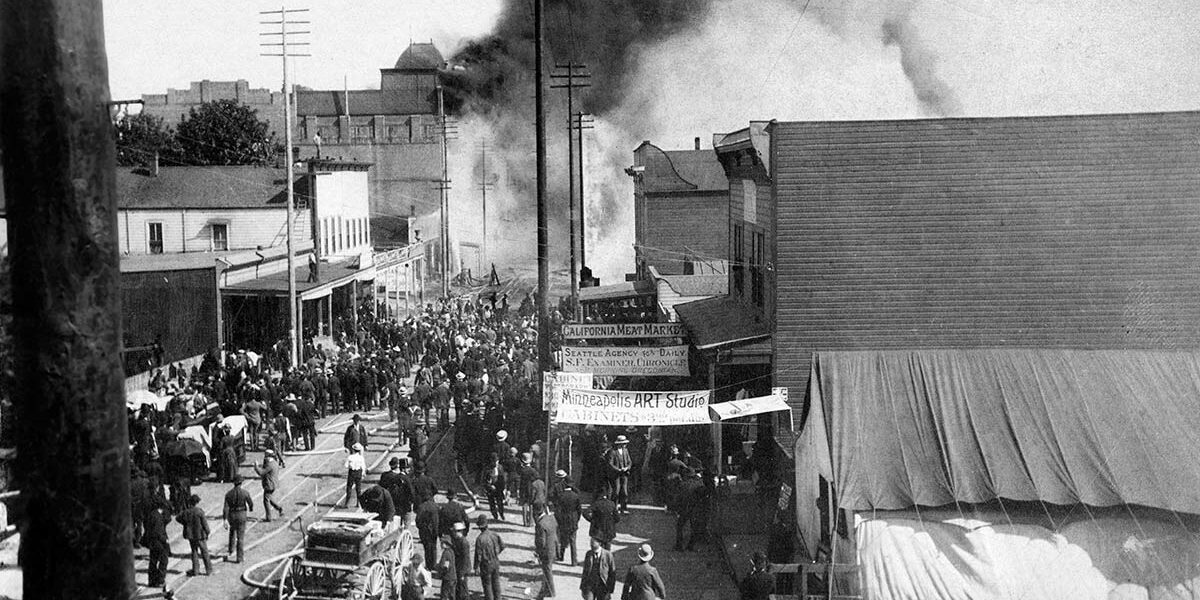
In 1889, the Great Seattle Fire swept through the city, destroying more than 25 blocks of homes and commercial properties. While devastating, the fire gave local leaders and builders an opportunity to solve a long-standing problem: Seattle was built on tidelands that frequently flooded and sagged.
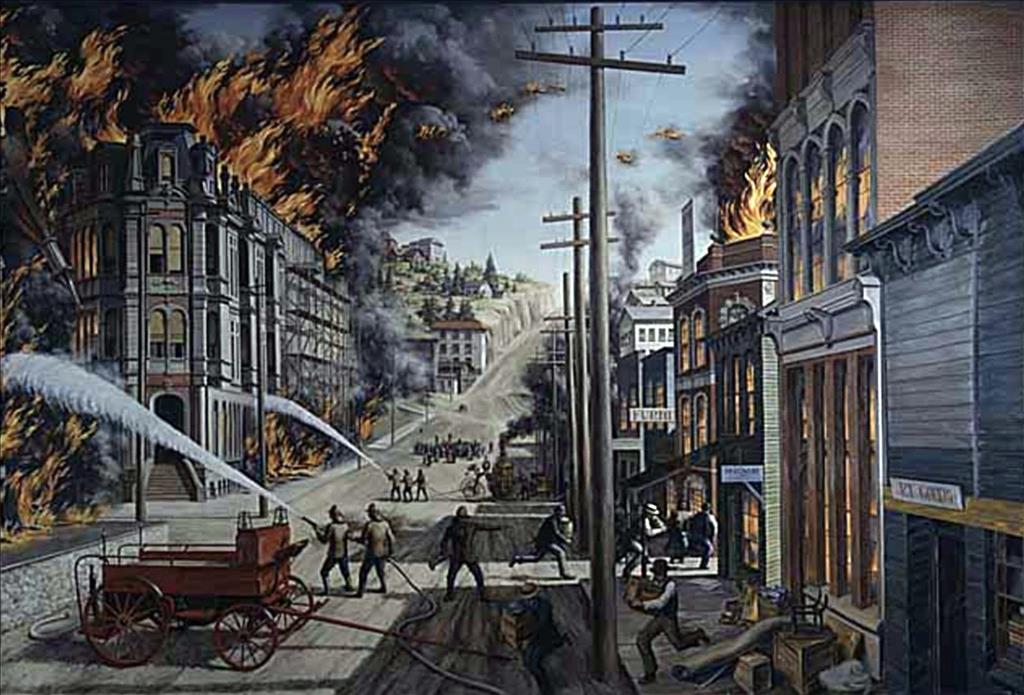
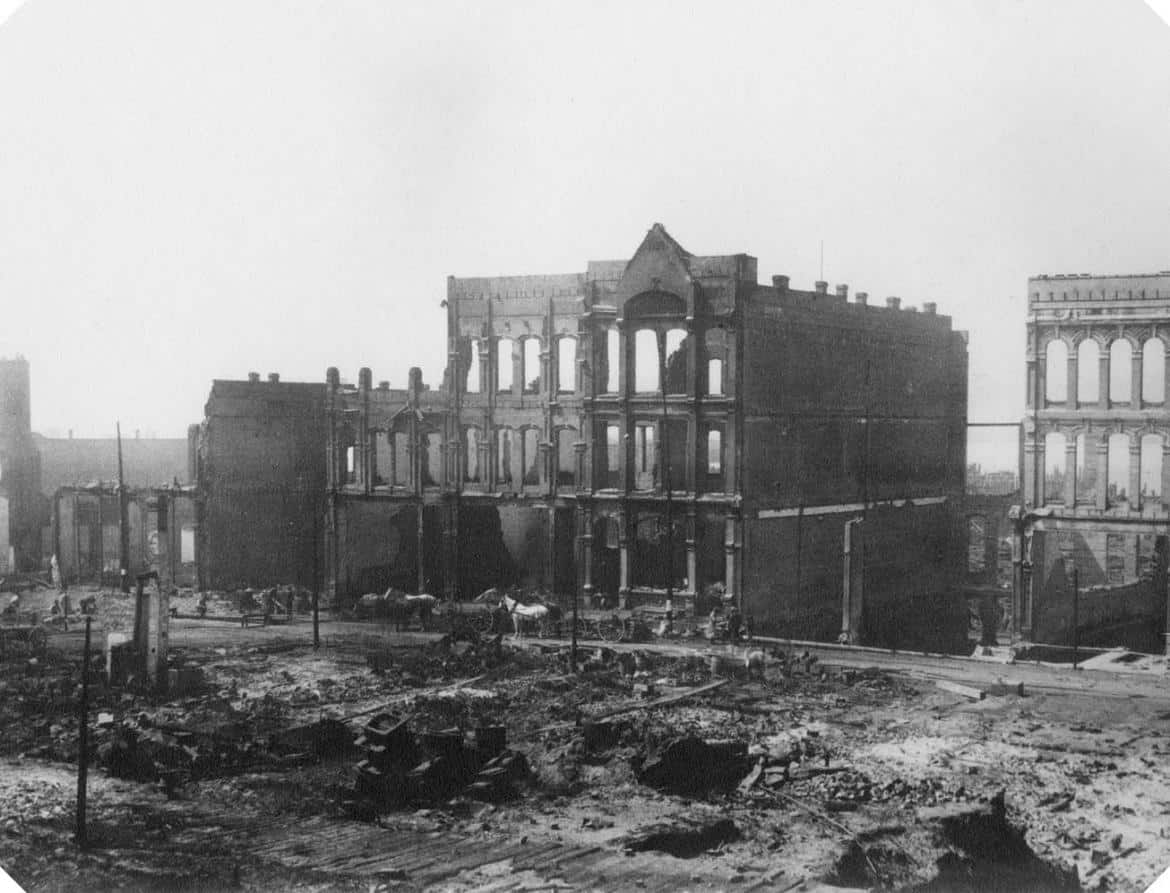
Image Sources: History Link, Online & 1899 Mag, Online
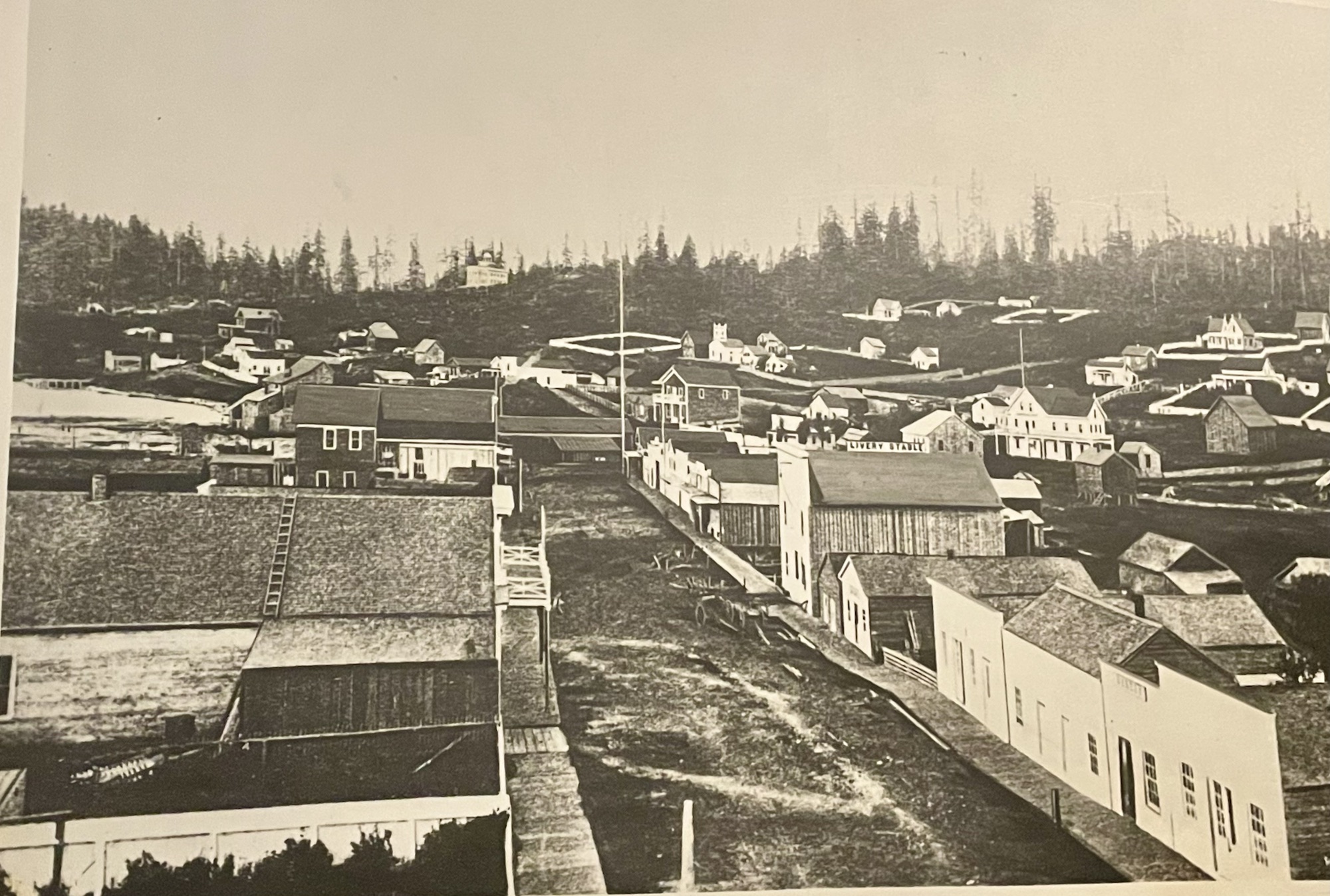
Image Source: Secrets of Philadelphia, Online
It’s hard to believe that Seattle was once much “flatter” than it is now!
Rather than simply reconstruct the same buildings at the same elevation, city planners chose a bold solution: the new street level would be raised by one to two stories across downtown.
As new retaining walls and streets were built higher, many original buildings found their first floors now sitting below the new grade—creating what would eventually become today’s underground walkways.
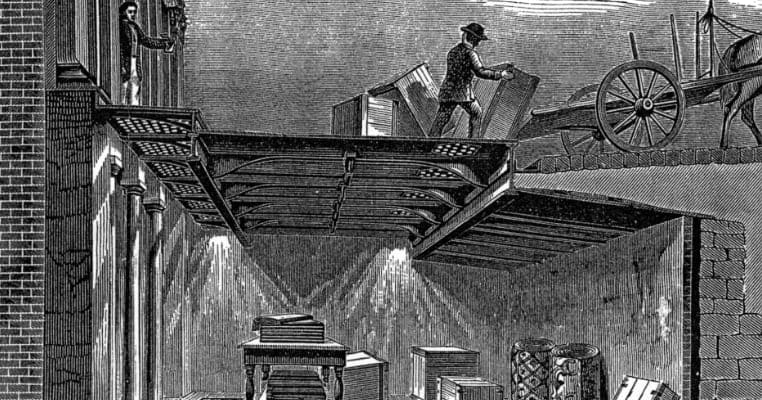
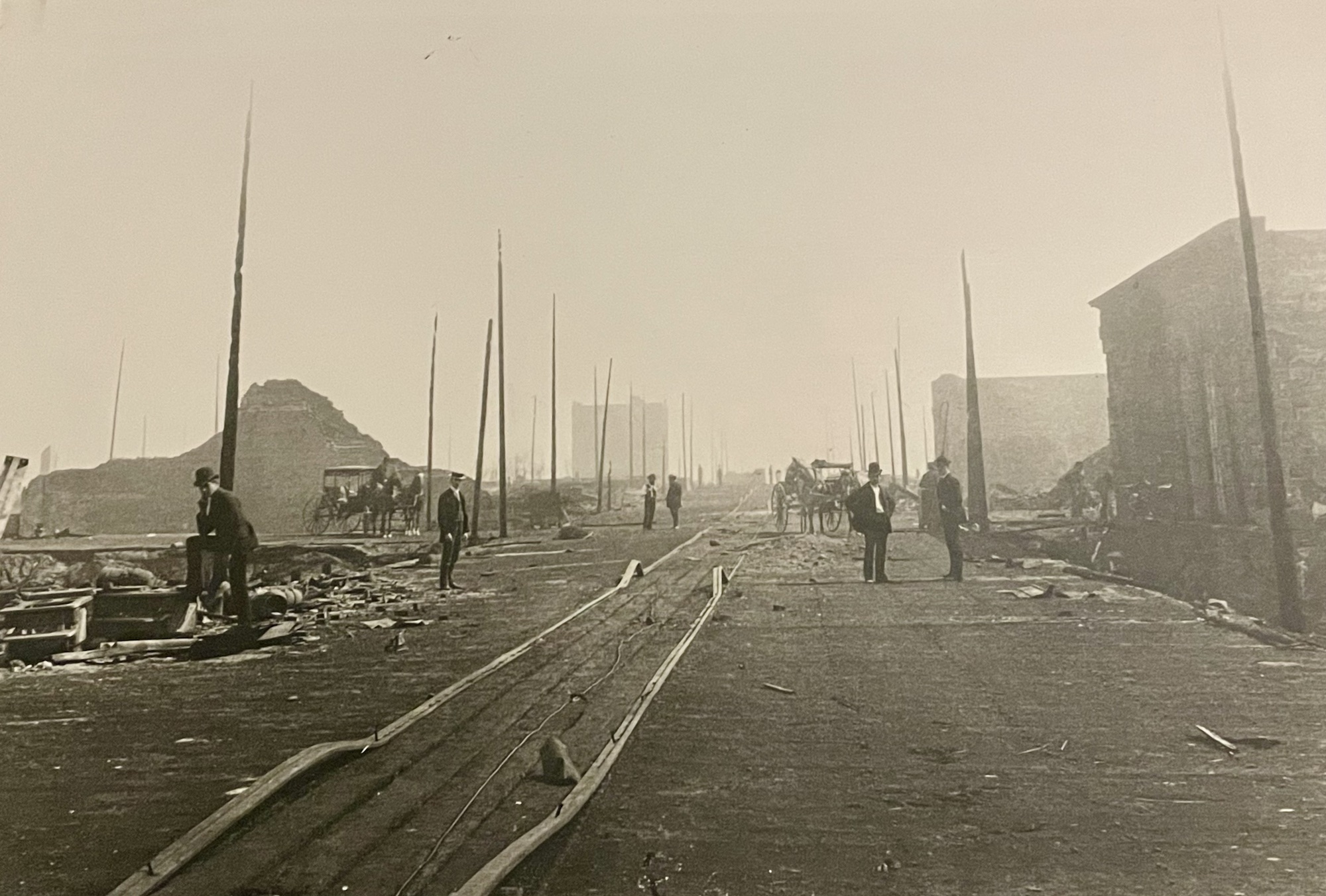
Image Source: Secrets of Philadelphia, Online
For several years, the City and local business owners debated how to fund the construction of new, elevated sidewalks. In the meantime, pedestrians navigated makeshift ladders—some climbing nearly 30 feet up or down just to move between buildings and street level. It was an especially difficult task for those wearing the heavy dresses and corsets common at the time.
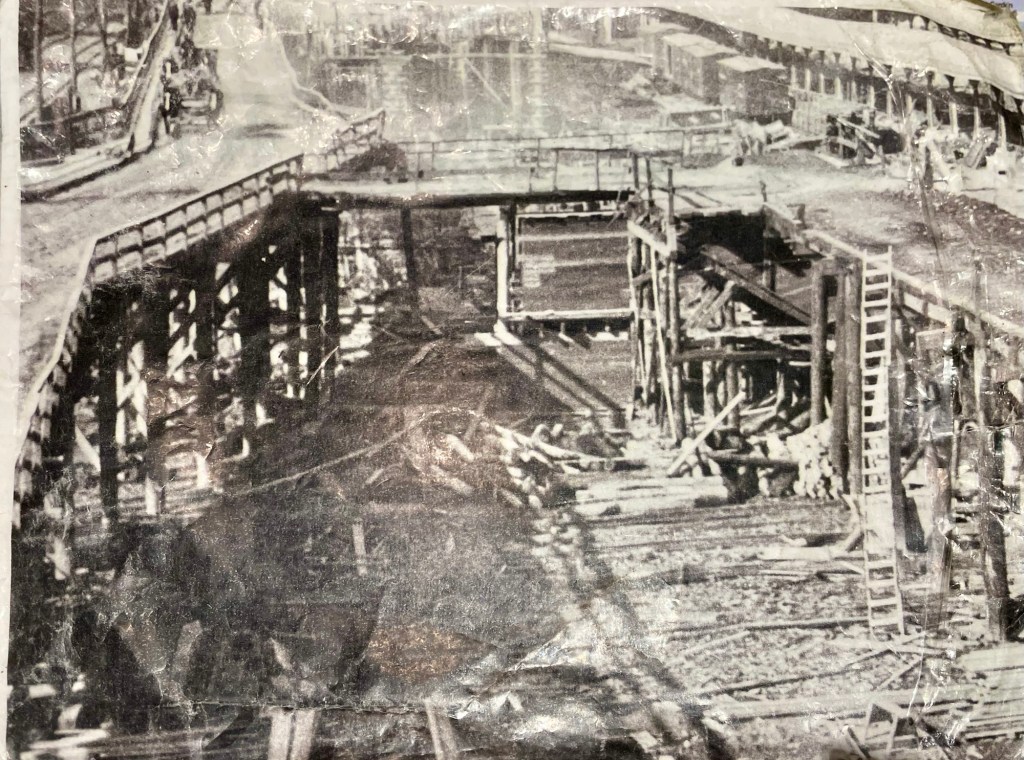
Image Source: Secrets of Philadelphia, Online
What Remains Today
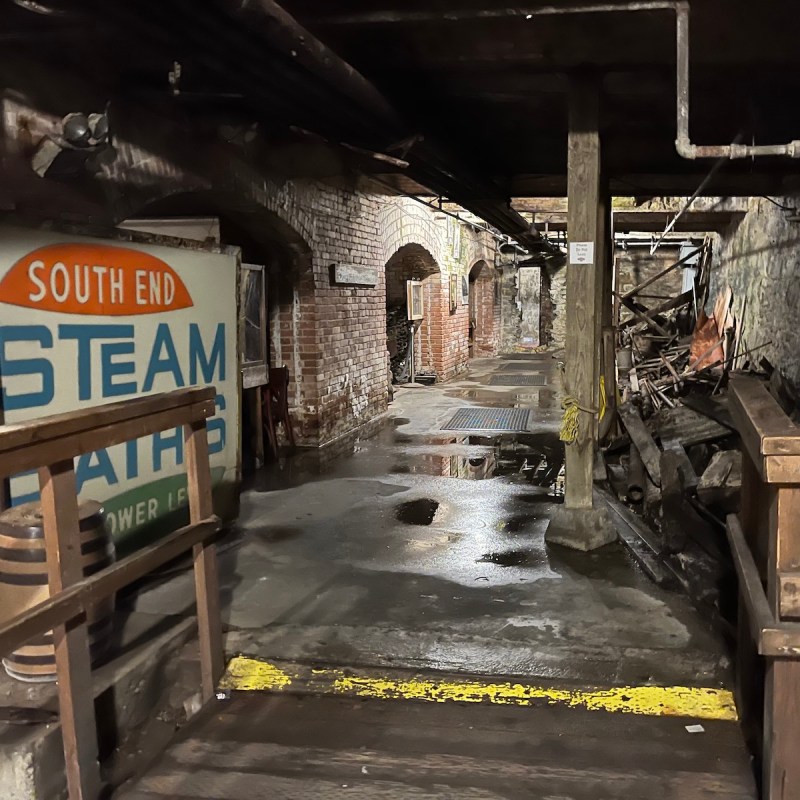
Walking through Seattle’s underground is like stepping into the city’s past. Under Pioneer Square, preserved corridors reveal:
-
Original storefront facades and display windows
-
Brick archways and timber framing
-
Early sidewalks and cobblestone street segments
-
Staircases that once led to street level before the city was elevated
Some of these areas were used for decades after the streets were raised. Over time, they transitioned into storage areas, service routes, and in some cases—unofficial gathering spots during Prohibition and beyond.
A City That Builds on Its History
Seattle’s underground is more than a historical curiosity—it reflects the city’s adaptability and forward-thinking approach to growth. Instead of abandoning the burned landscape or rebuilding as it was, Seattle literally built upward, laying the groundwork for the modern city.
As Seattle continues to grow—with new office environments, industrial campuses, and mixed-use developments reshaping the skyline—its underground remains a reminder of the layers of commerce and community that came before.
This dual city perspective is uniquely Seattle: innovative, resilient, and always evolving!
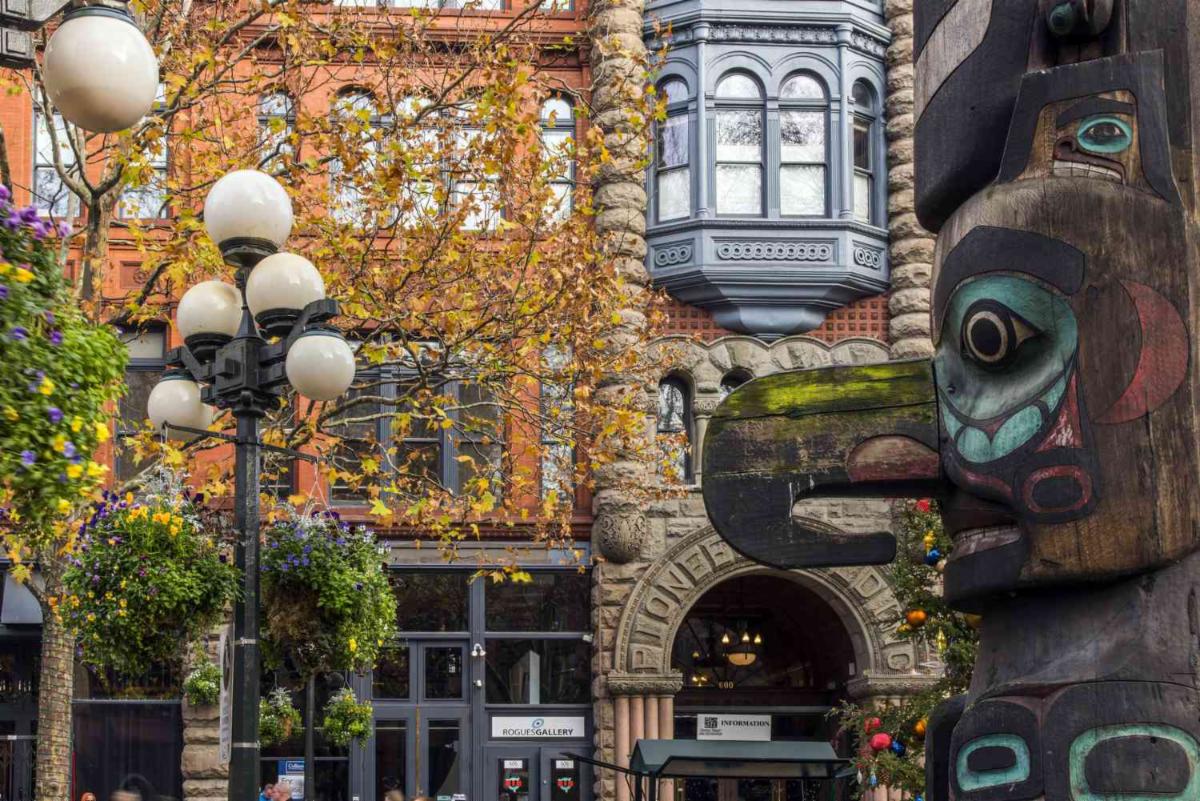
Image Source: Alliance for Pioneer Square, Online
Want to Explore It?
The Underground Tour in Pioneer Square offers public visits into these preserved corridors, combining storytelling with architectural history. It’s a great experience for locals, visitors, and anyone interested in how cities adapt and reinvent themselves.