
1. Tacoma was “The City of Destiny” — and people meant it
When the Northern Pacific Railway picked Tacoma (not Seattle) as its West Coast terminus in 1873, land prices exploded overnight. Speculation was insane. The population quadrupled in a few years. Businesses rushed in.
Fun detail: Newspapers printed real estate ads calling Tacoma “The Chicago of the West.” Investors bought land sight unseen — by telegram.
But here’s the twist: When another major rail project later chose Seattle, the rival city surged back, and Tacoma’s big moment became a “what could have been” story still talked about today.
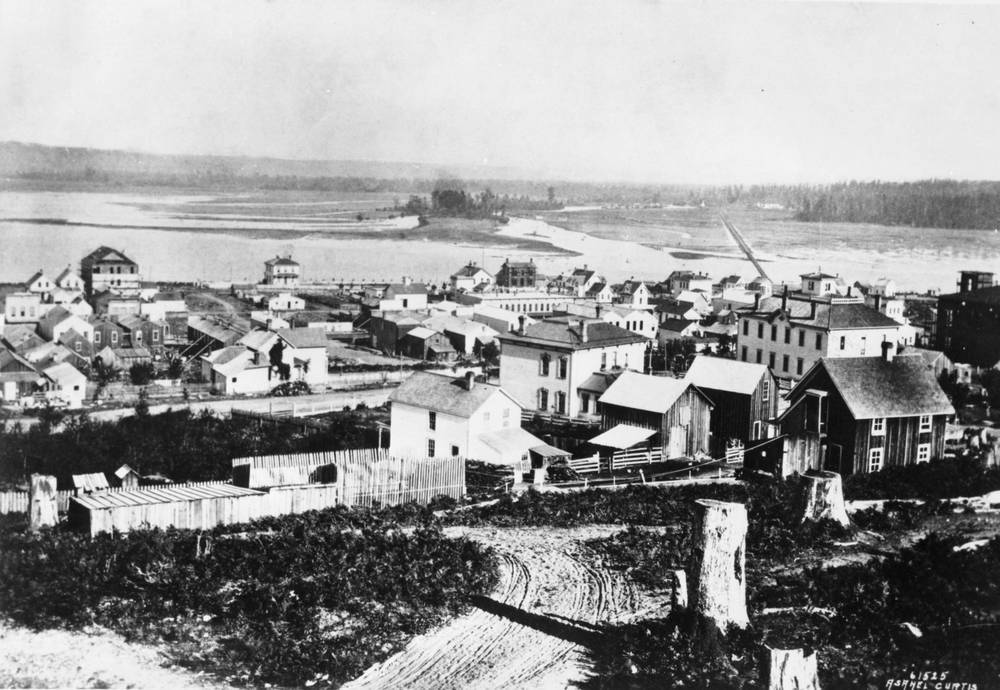
Image Source: Southsound Talk, Online
2. The “Tacoma Aroma” wasn’t just paper mills — it was science
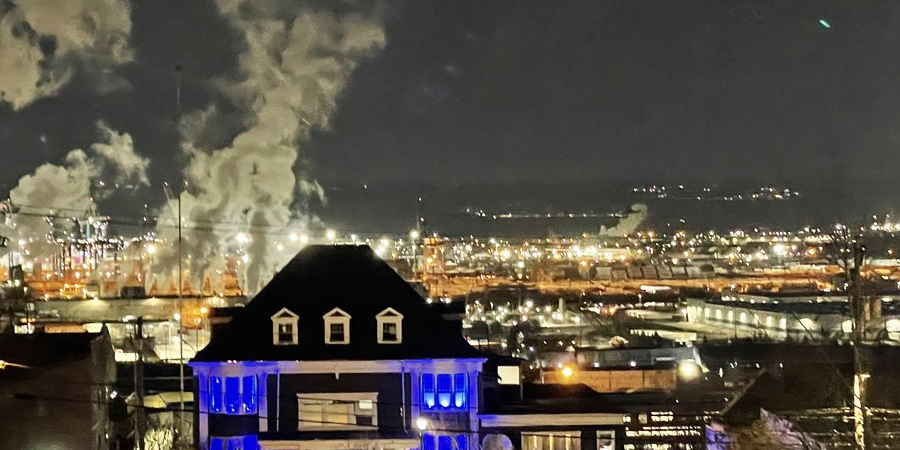
Yes, the smell came from pulp production, but the actual culprit was sulfurous compounds released by the Kraft process used to break down wood chips into paper.
Local fun fact: In the 1980s, air quality regulations improved significantly, and newer technologies reduced emissions.
Today, longtime Tacomans swear the aroma is 95% nostalgia, 5% actual smell.
And if you ever smell it driving over the 509 bridge? Congratulations — you’re officially a local.
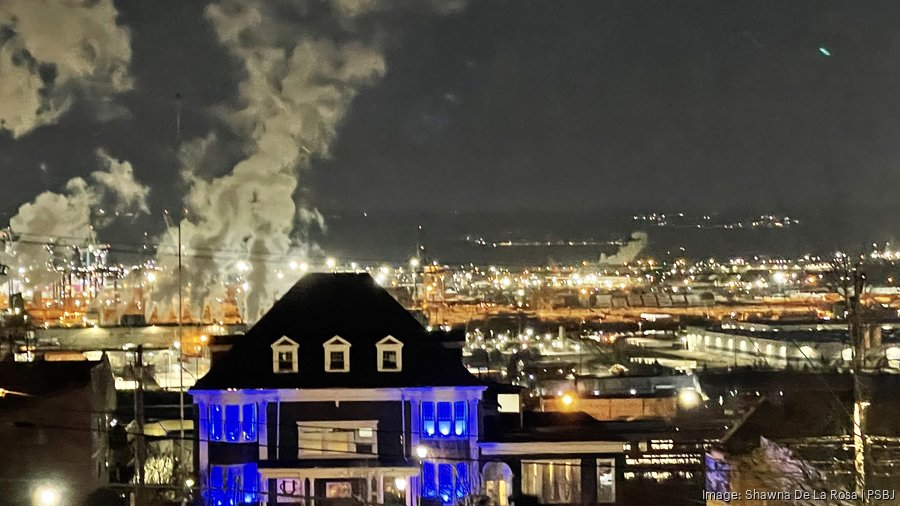
Image Source: PSBJ, Online
3. The Tacoma Hotel was so fancy, people came just to see the elevator
Built in 1884, this hotel wasn’t just “nice,” it was next level for its time:
-
- Private bathrooms
- Steam heat
- A glass conservatory
- And yes… one of Tacoma’s first elevators
Presidents stayed there. Railroad tycoons cut deals there. Rumor has it guests could see Mt. Rainier reflected in their breakfast coffee. (Okay, maybe not, but the views were gorgeous).
Its tragic fire in 1935 wiped out a cornerstone of the city’s identity.
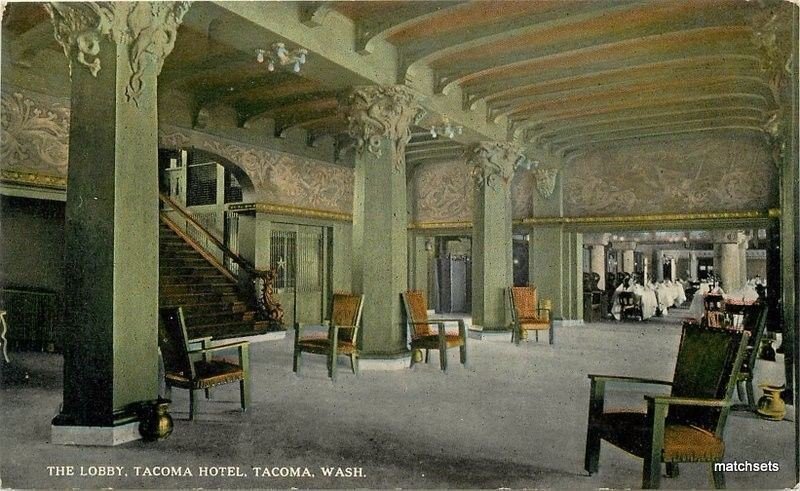
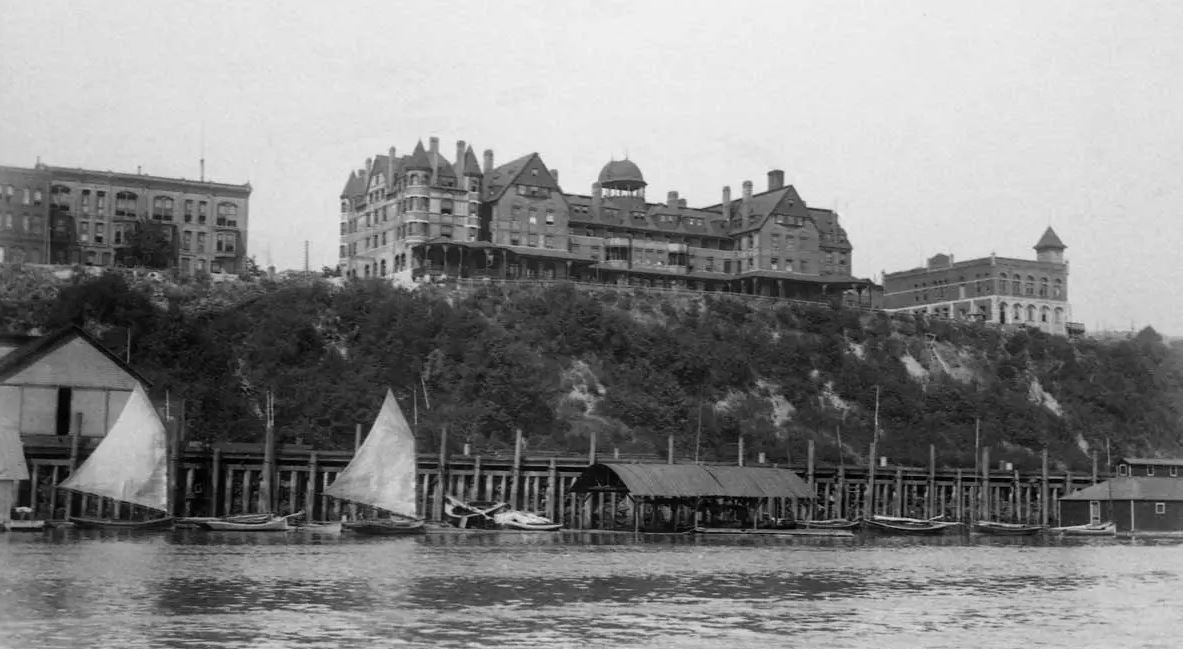
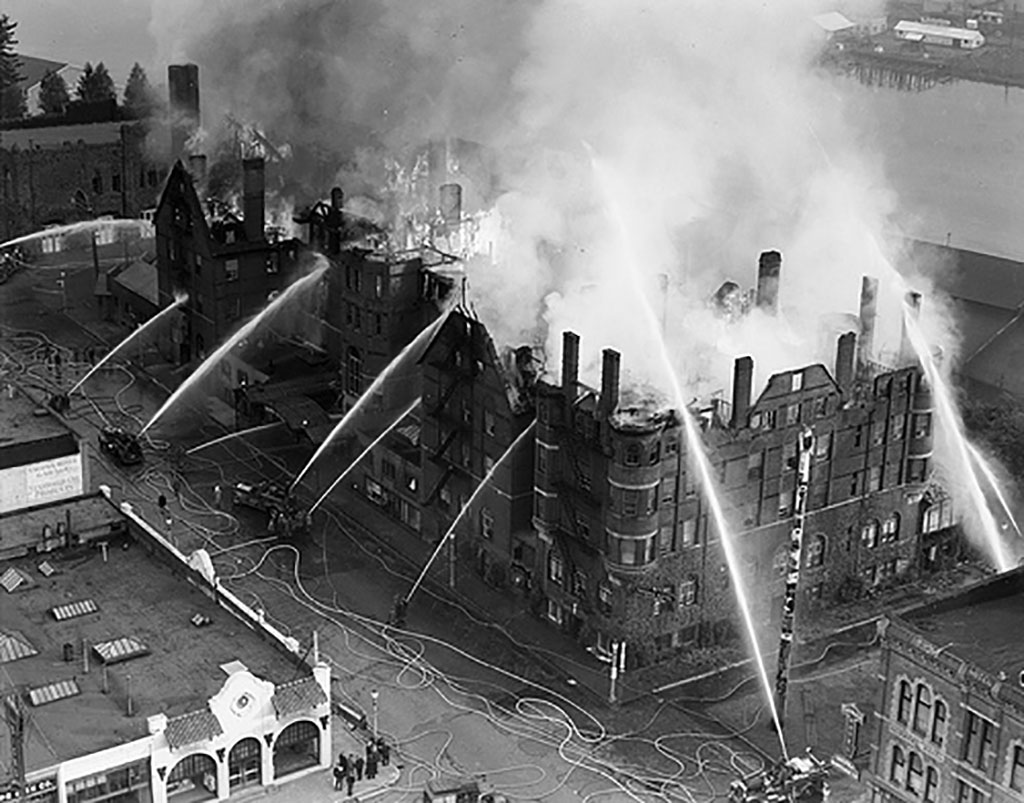
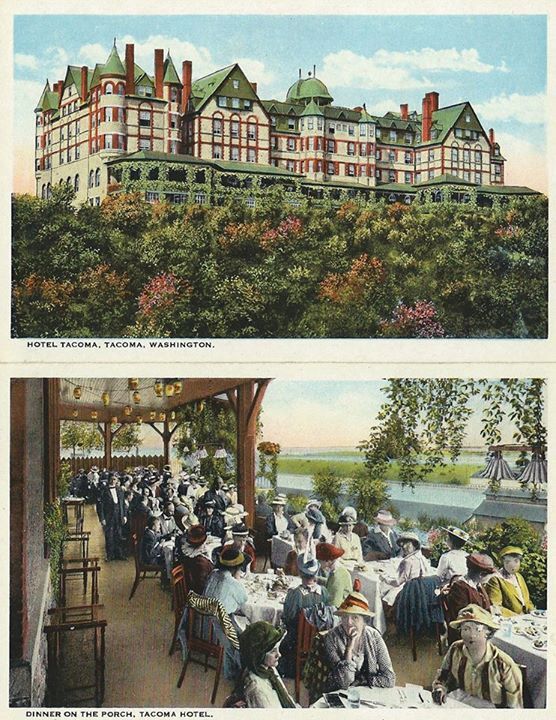
Image Source: Paul Dorpat, Online — highly recommend this site for all things PNW History!
4. Point Defiance almost got sculpted into a Victorian showpiece
City leaders originally thought Tacoma’s huge forested peninsula should be tamed into formal gardens, manicured lawns, and walking paths in the style of East Coast parks.
Then locals pointed out:
“Uh… have you seen the ancient forest, cliffs, and wildlife? Maybe let nature win this one.”
The result is one of the largest urban parks in America — bigger than Central Park and entirely Tacoma-style: wild, water-bordered, full of surprises.
Favorite interesting detail:
There was once a bear pit and a live polar bear exhibit near the zoo!
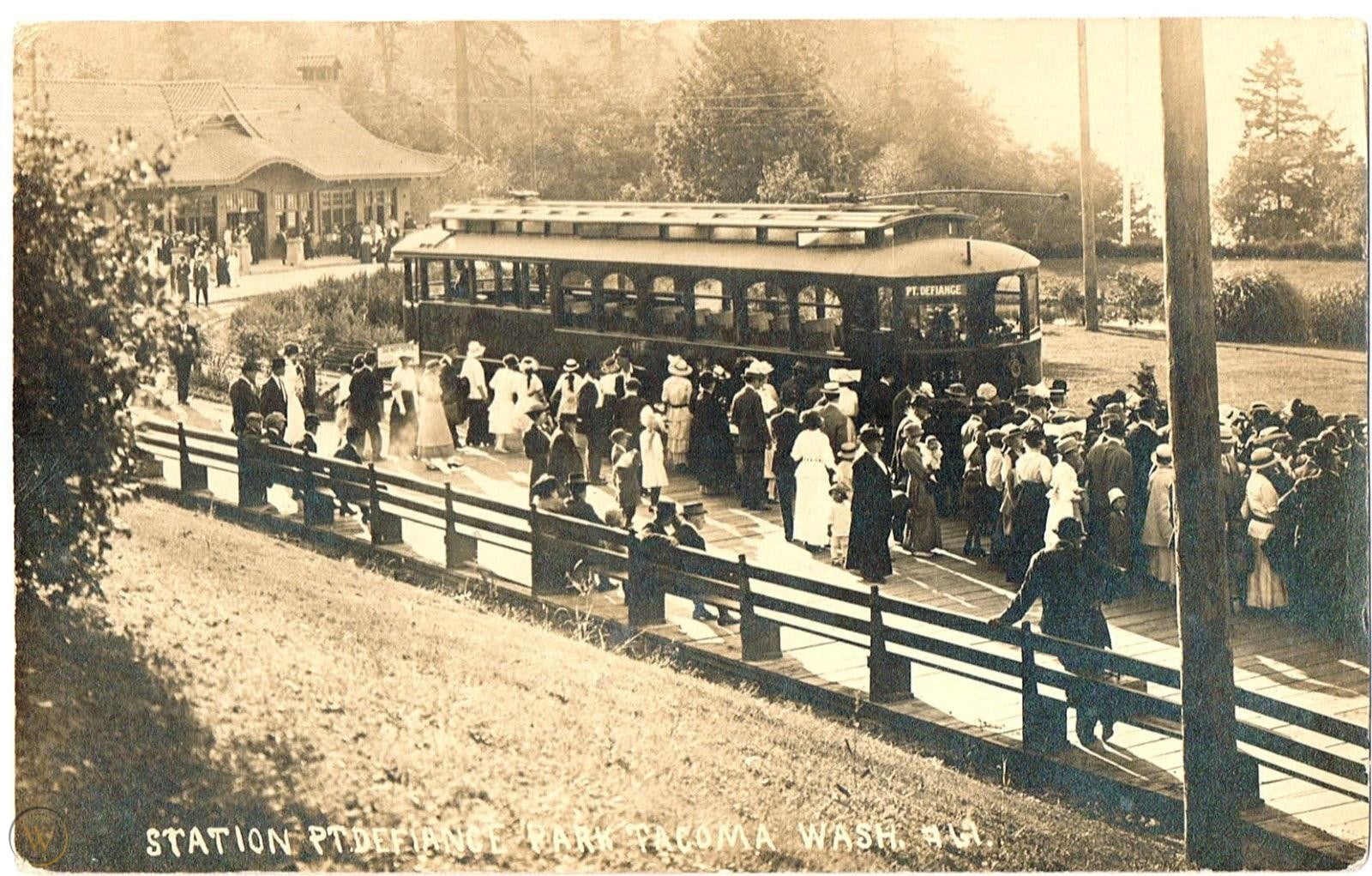
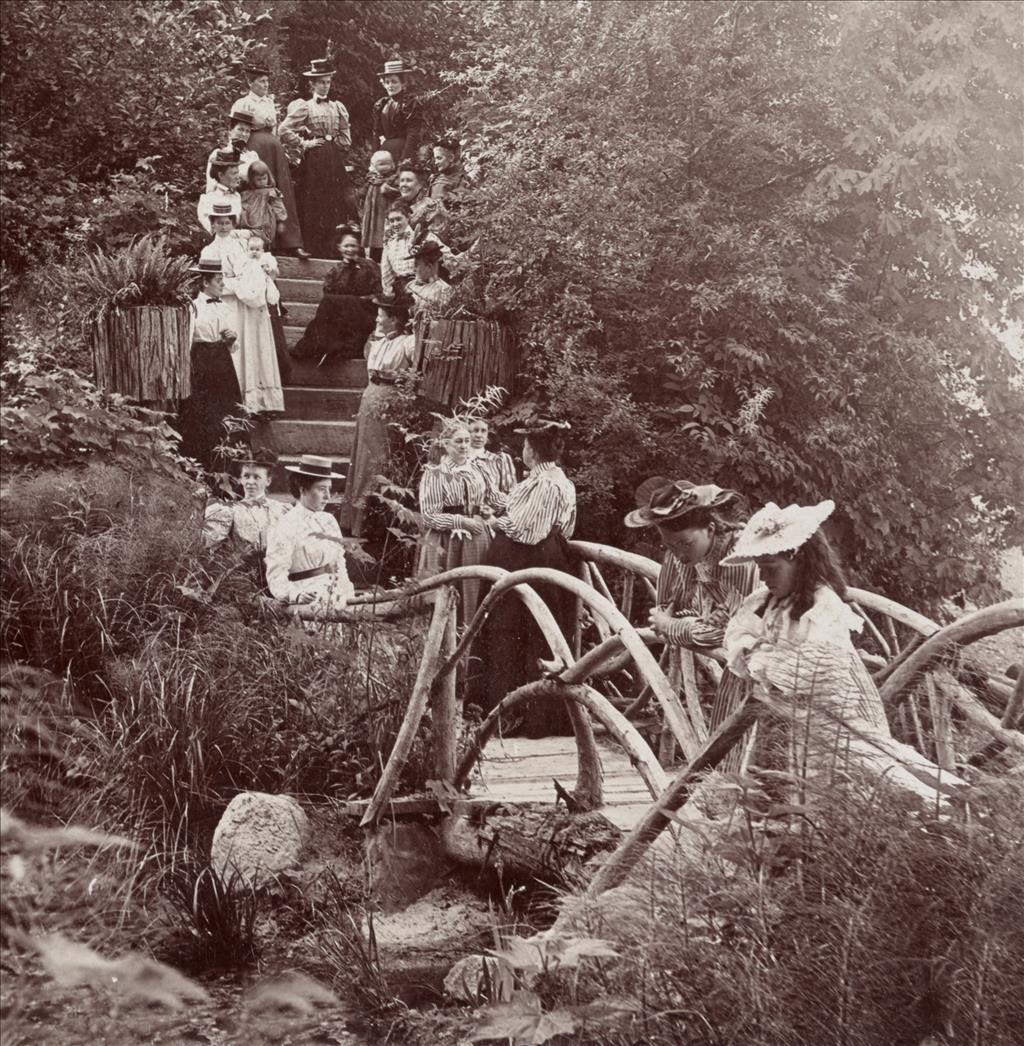
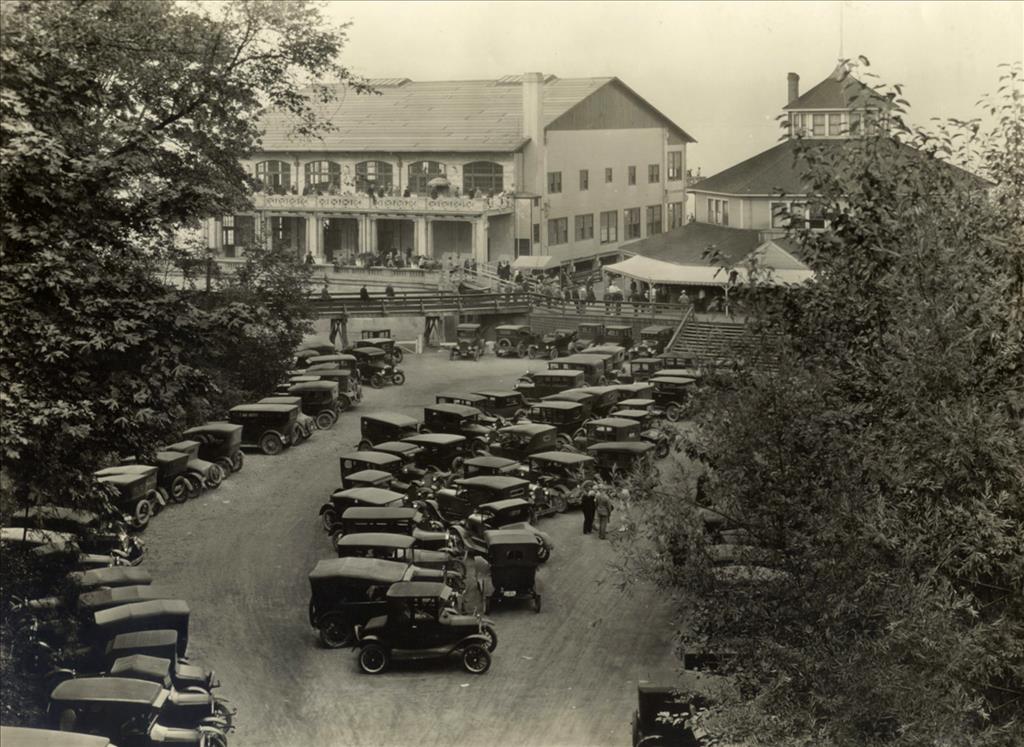
Image Source: History Link, Online
5. Tacoma’s underground tunnels weren’t built for drama — but drama followed anyway
Official story: The tunnels were used for plumbing, steam heat, and delivery routes between downtown buildings in the late 1800s and early 1900s.
Unofficial story: After Prohibition began, tunnels became perfect for:
-
- Storing stolen liquor
- Gambling dens
- Sneaky supply runs under city streets
Local historians disagree, but old bar owners quietly say, “Yes, it happened. Everyone knew someone meeting someone down there.”
Today, if you know the right basement door downtown, the rumors feel real.
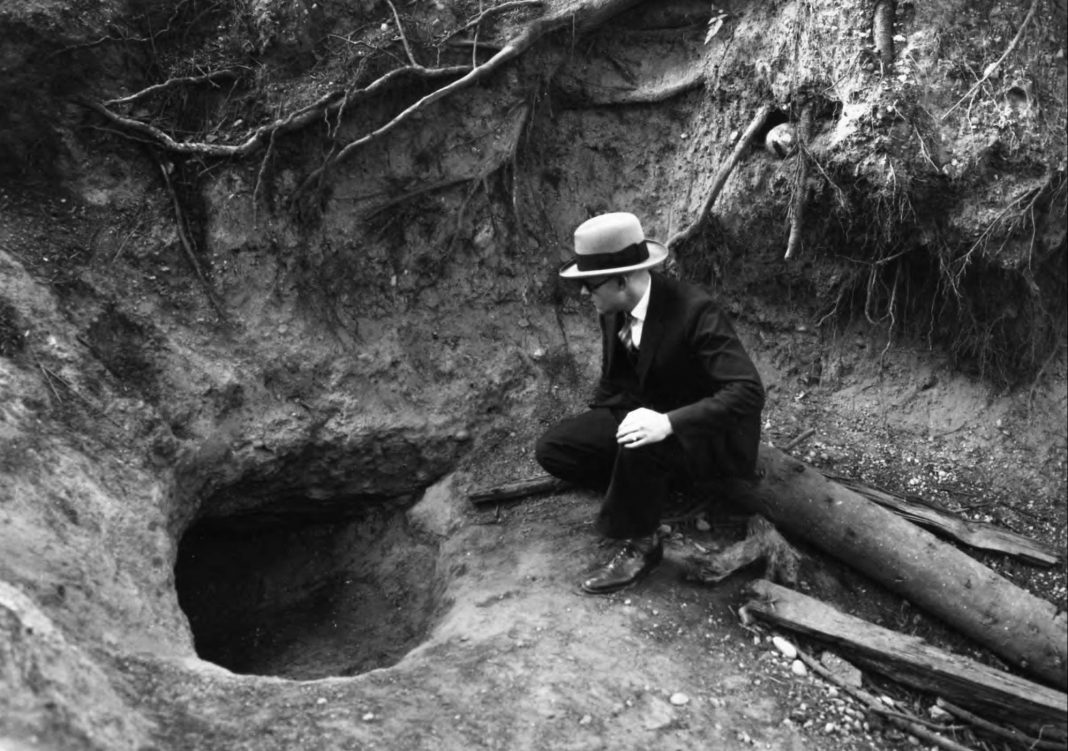
Image Source: South Sound Talk, Online
6. The Port of Tacoma didn’t just happen — it was a total power move
In 1918, Tacoma voters approved the creation of a public port. This was huge. Cities like Seattle had private ports controlled by major companies. Tacoma went public ownership, which allowed:
-
- Faster expansion
- Competitive shipping rates
- Local job growth
Today, the Port handles billions in cargo and is one half of the Northwest Seaport Alliance with Seattle — a strategic marriage that keeps both ports competitive globally.
Random Fact:
Tacoma specializes in automobiles, grain, and forest products (naturally).
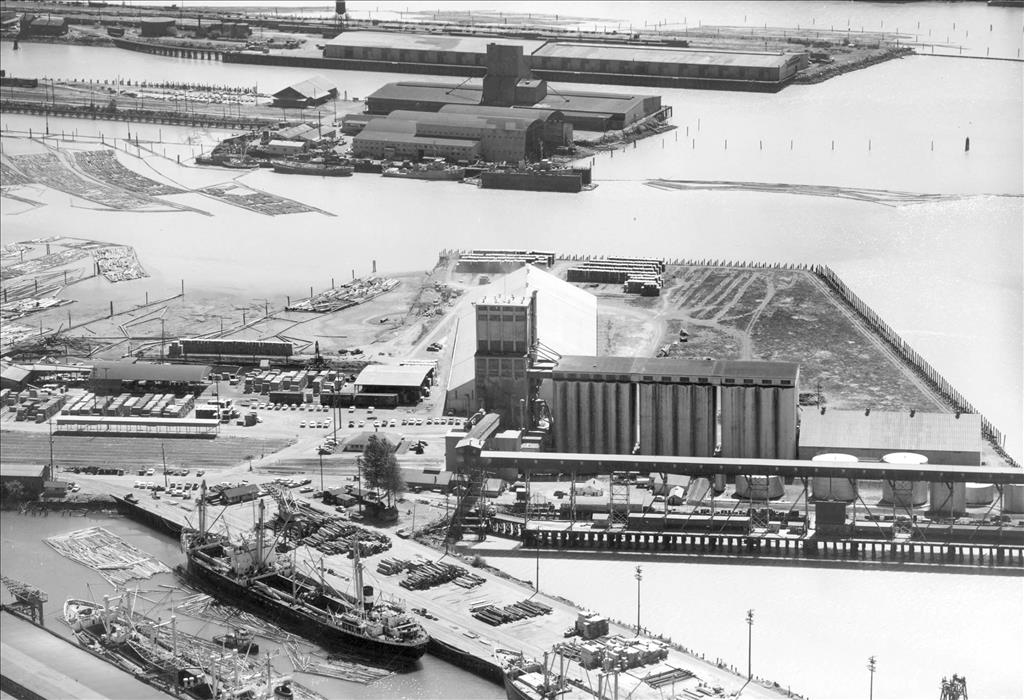
Image Source: History Link, Online
7. Tacoma isn’t just in movies — it is practically a location scout’s dream
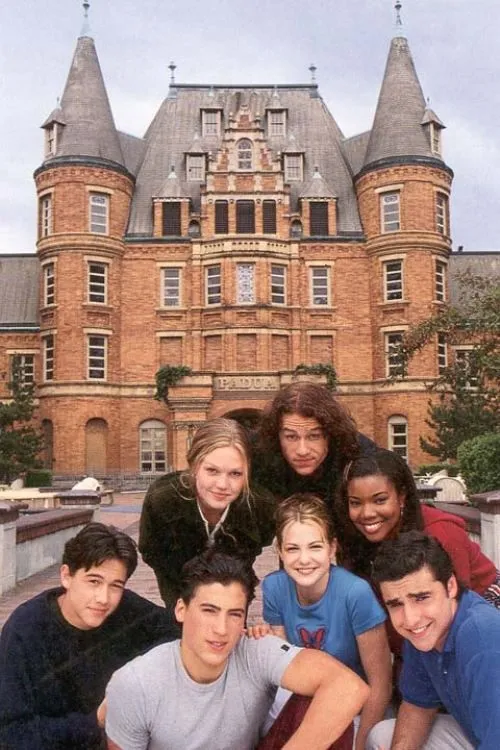
Everyone knows Ten Things I Hate About You (Stadium High School, iconic). But Tacoma has deeper film roots:
-
- The city was used in Twin Peaks location scouting
- Parts of Three Fugitives were filmed on Ruston Way
- The Hand That Rocks the Cradle has Pierce County scenes
Why Tacoma?
Directors loved the mix of industrial grit and architectural charm. Brick alleys, historic theaters, water views, and a skyline that looks like nowhere else.
Why Tacoma’s History Hits Different
Cities usually choose identity OR industry. Tacoma said “Both.”
It’s maritime, railroad, arts, logging, glass, counterculture, and cinema — all within a few miles.
The best part?
Tacoma doesn’t hide its weirdness. It leans into it. It owns it.
Image Source: Facebook